Communication Methods for Autistic People
An illustrated guide to practical, individualised communication support | Essay 2 — Autism Through the Lens
1. Introduction
Communication is an essential part of everyday life. However, autistic people may communicate, understand information and express themselves in different ways. Speech is only one form of communication, and not every autistic person finds spoken language the easiest or most comfortable method.
Some autistic people prefer written communication, pictures, symbols, gestures or assistive technology. Others may use several methods depending on their individual needs, circumstances and sensory environment.
2. Understanding Communication Methods in Autism
The diagram below introduces some of the most widely used communication methods. It illustrates different ways autistic people may receive information, express themselves and communicate with others. The methods can be used individually or together, depending on personal preferences and communication needs. The following sections explain how each method works and when it may be helpful.
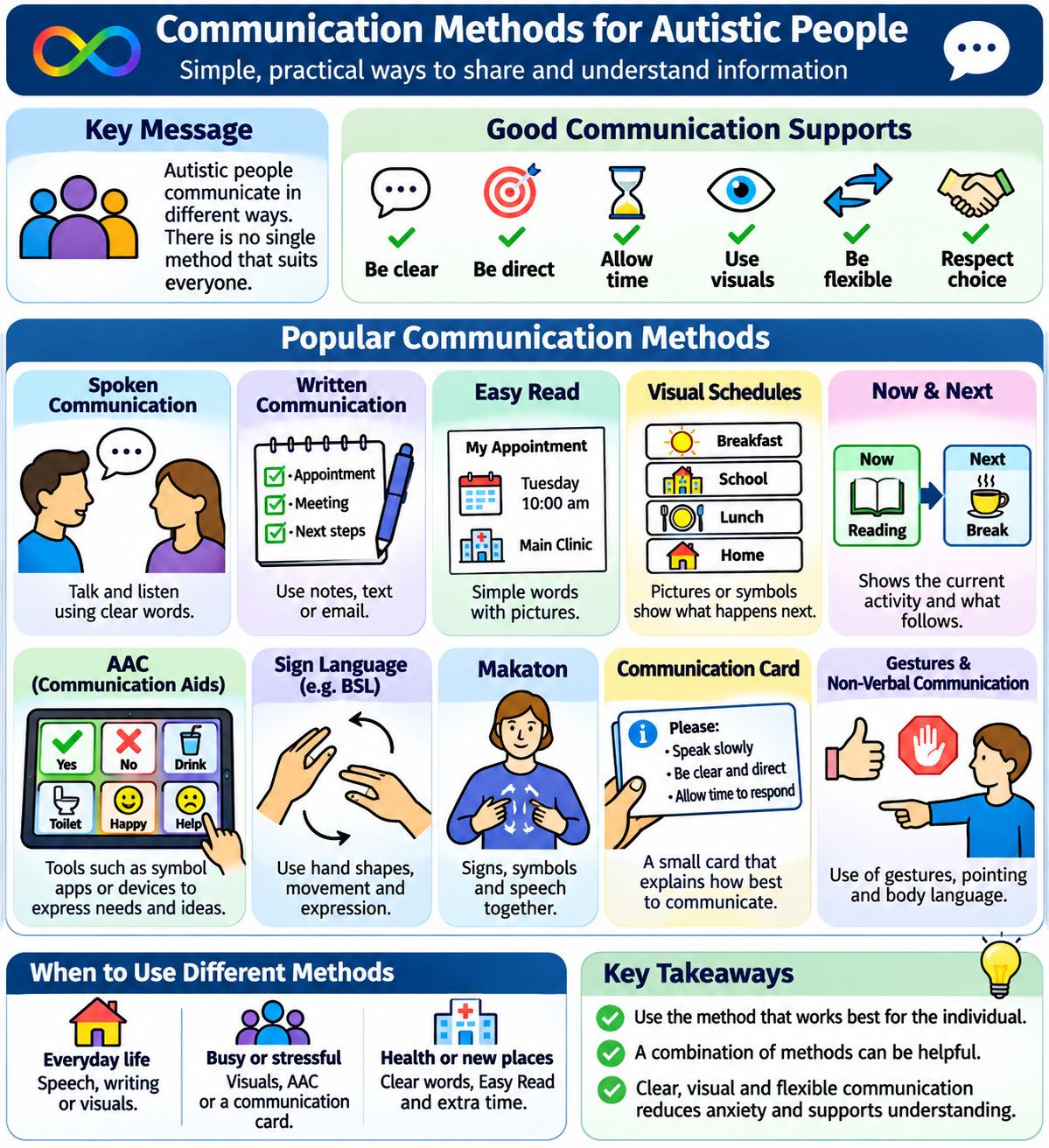
Figure 1. Overview of commonly used communication methods.
Click the diagram above to enlarge it in a new tab.
Understanding these differences is important in ensuring that autistic people can communicate effectively, express their choices and participate in everyday activities. There is no single method suitable for everyone.
3. Understanding Communication Needs
Communication support should be tailored to the individual.1, 2
Receptive communication is understanding information received; expressive communication is conveying information to others. A person may understand far more than they can express through speech, or speak fluently while finding rapid or ambiguous instructions difficult to process. Communication needs can change with fatigue, sensory overload, unfamiliar surroundings or stress.
Ask how the person prefers to communicate and give them sufficient time to respond. Spoken fluency should not be taken as a measure of understanding.
4. Clear and Direct Spoken Communication
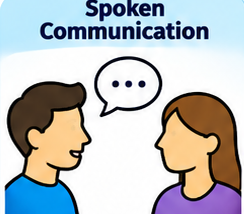
Figure 2. Clear, direct spoken communication.
Use specific words, a calm natural pace and one instruction at a time when appropriate. Instead of “Sort that out later”, say “Please put the forms in the blue folder before 3 pm.” Avoid unnecessary idioms, hints and ambiguous deadlines. Pause to allow processing rather than immediately repeating a question.
Equipment and costs: Spoken communication requires no special equipment; optional written prompts can be prepared at little or no cost.
5. Written Communication
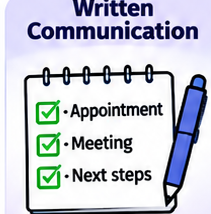
Figure 3. Notes, text messages and email.
Emails, texts, typed conversations and printed instructions allow information to be read more than once and responses to be prepared without pressure. Written instructions can clarify appointments, decisions, tasks and deadlines. Use headings, short paragraphs and a logical order, while retaining enough detail for the individual.
Reading and writing are not accessible to everyone, so check whether this format is useful.
Equipment and costs: Paper and pens are inexpensive; using email, text or typing requires access to a phone, tablet or computer, which may need to be purchased.
6. Easy Read
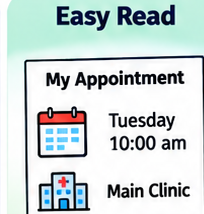
Figure 4. Simple words supported by pictures.
Easy Read combines short, straightforward sentences with relevant pictures or symbols. It may help explain appointments, services, choices and procedures. Images should reinforce the meaning of the words rather than add distracting decoration.
Easy Read is not universally preferred: some people need the detail that simplified documents omit.
Equipment and costs: Easy Read materials can be printed at low cost, although preparing illustrated documents or using specialist symbol libraries may involve fees.
7. Visual Schedules and Now-and-Next Boards
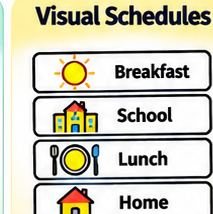
Figure 5. A visual sequence of activities.
Visual timetables show what is planned and in what order. They may use pictures, words or both. They can reduce uncertainty and make transitions easier, particularly where verbal explanations are hard to remember. Changes should be explained and the timetable updated rather than treated as inflexible.
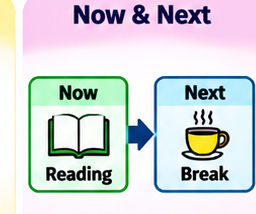
Figure 6. A now-and-next board: one activity followed by another.
A now-and-next board presents just two stages. It is useful when a full timetable is overwhelming, or when the immediate transition matters most. The format can be adapted for children or adults.
Equipment and costs: A basic visual timetable can be made with paper and printed pictures; printers, laminators, reusable boards or symbol software may add costs.
8. Augmentative and Alternative Communication (AAC)
Specialist AAC services and resources can help identify suitable systems.3
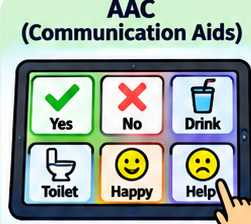
Figure 7. Selecting symbols on a communication aid.
AAC includes methods that support or replace speech. Low-tech AAC may involve printed communication boards, picture cards or alphabet boards. High-tech AAC includes tablet applications and dedicated speech-generating devices. A person may use AAC all the time or only when speech becomes difficult.
A useful communication system must allow more than requests for food or help. It should support refusal, questions, feelings, opinions and everyday conversation. The individual needs reliable access to their system and communication partners who respect what they express.
Picture exchange and PECS
Picture exchange allows a person to select or hand over a picture to communicate. The Picture Exchange Communication System (PECS) is one specific structured programme, not a general name for all picture-based AAC. Its proprietary teaching resources should not be reproduced without permission. Choice of approach should be guided by the person’s communication goals and appropriate professional advice.
Equipment and costs: Printed picture or alphabet boards can be inexpensive, while tablets, communication apps and dedicated speech-generating devices may have substantial costs.
9. British Sign Language and Makaton
Makaton learning resources are available from the Makaton Charity.4
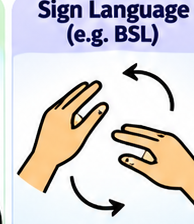
Figure 8. Signed communication (illustrative hand movements, not BSL instruction).
British Sign Language (BSL) is a complete natural language with its own grammar. It may be appropriate for autistic people who are Deaf, hard of hearing or prefer visual language, particularly when communication partners also know BSL. The illustration is conceptual and does not teach an actual BSL sign.
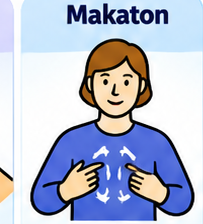
Figure 9. Makaton combines speech, signs and symbols (conceptual illustration).
Makaton uses signs and symbols alongside speech to support understanding and expression. It differs from BSL and has its own learning resources and licensing arrangements. This illustration is not an authorised Makaton sign demonstration.
Equipment and costs: Signing requires no device, but BSL or Makaton courses, learning resources and some licensed materials may involve fees.
10. Gestures and Non-Verbal Communication
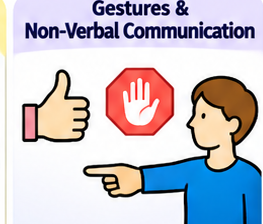
Figure 10. Pointing and simple gestures can convey meaning.
Pointing, nodding, gestures, posture and movement can communicate preferences, needs or discomfort. However, eye contact, facial expressions and body language do not always carry the meanings other people expect. Ask rather than assume. An autistic person may be listening attentively while looking away.
Equipment and costs: Gestures usually require no equipment or additional expense.
11. Communication Information Cards
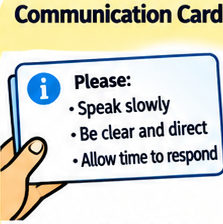
Figure 11. A portable card describing communication preferences.
A small card can explain that the holder benefits from slow, clear, concise and unambiguous speech. Its reverse may explain that the person needs extra time to mentally repeat and process what was said before responding. A card is especially useful when explaining these needs verbally would itself be difficult.
A longer communication passport can describe preferred formats, helpful adjustments and ways of communicating during distress. Both approaches should reflect the individual’s own preferences and be used with their consent.
Equipment and costs: A handwritten or printed card costs very little; professionally produced cards or communication passports may cost more.
12. Communication During Overload or Reduced Speech
A person who usually speaks fluently may sometimes struggle to speak during distress, exhaustion or sensory overload. Reduce verbal demands; offer writing, pointing, AAC or simple choices; and allow time without pressure. Agree preferred approaches when the person is comfortable, rather than waiting until communication becomes difficult.
13. Selecting and Combining Methods
Different situations may call for different approaches. For example, someone might prefer speech in familiar conversations, written instructions for complex tasks and AAC when speaking becomes difficult. The table below gives practical examples.
| Situation | Possible support |
|---|---|
| Complex information | Written summary or detailed full text |
| Unfamiliar appointment | Clear speech, written details, communication card |
| Sequence of activities | Visual timetable or now-and-next board |
| Speech is difficult | Communication board, typing or speech-generating AAC |
| Deaf or signing preference | BSL or another individually appropriate signed approach |
14. Responsibilities of Communication Partners
Communication partners should respect the person’s chosen method, avoid pressuring them to make eye contact, and check understanding without being patronising. Speech and language therapists or specialist AAC services can advise when assessment or equipment is needed.
15. The Author’s Experience of Communication
As discussed in a previous essay, the author generally prefers full written text. However, when experiencing stress or anxiety, combining text with appropriate images can make information easier to understand.
Through attending online meetings using Zoom® and Microsoft Teams®, the author has developed a greater appreciation of different communication methods. Some people who do not use speech communicate through hand gestures and the platforms’ chat facilities. These methods allow meaningful participation without requiring spoken responses.
Participants need sufficient time to type. Pressure to respond immediately can increase anxiety, lead to spelling mistakes and make it harder to interpret or correct what has been written. A delayed response should not be mistaken for lack of interest or understanding.
Acronyms and unfamiliar terminology
The author finds acronyms particularly difficult in meetings. When an unfamiliar abbreviation is used, attention may shift away from the presentation towards trying to work out its meaning. Examples include NHS (National Health Service), SG (Scottish Government), AAC (Augmentative and Alternative Communication) and LDAN (Learning Disabilities, Autism and Neurodivergence). The author therefore tries to explain an acronym when using it. Speakers should give the full term first and avoid unnecessary abbreviations.
Speaking clearly and allowing time
The author has observed participants disengaging when speakers talk too quickly or use language that is difficult to follow. This can be particularly challenging for some autistic people and people with learning disabilities who need additional processing time. Such disengagement should not automatically be interpreted as disinterest. Speaking at a measured pace, using clear language, explaining unfamiliar terms and allowing time for responses helps make meetings more accessible.
16. Conclusion
Accessible communication offers genuine choice. By using methods that suit the individual, communication partners can support understanding, self-expression and participation.
References and Further Reading
- National Autistic Society — Autism and communication
- Royal College of Speech and Language Therapists
- Communication Matters — AAC resources
- The Makaton Charity
- NHS — Autism