Understanding Autism
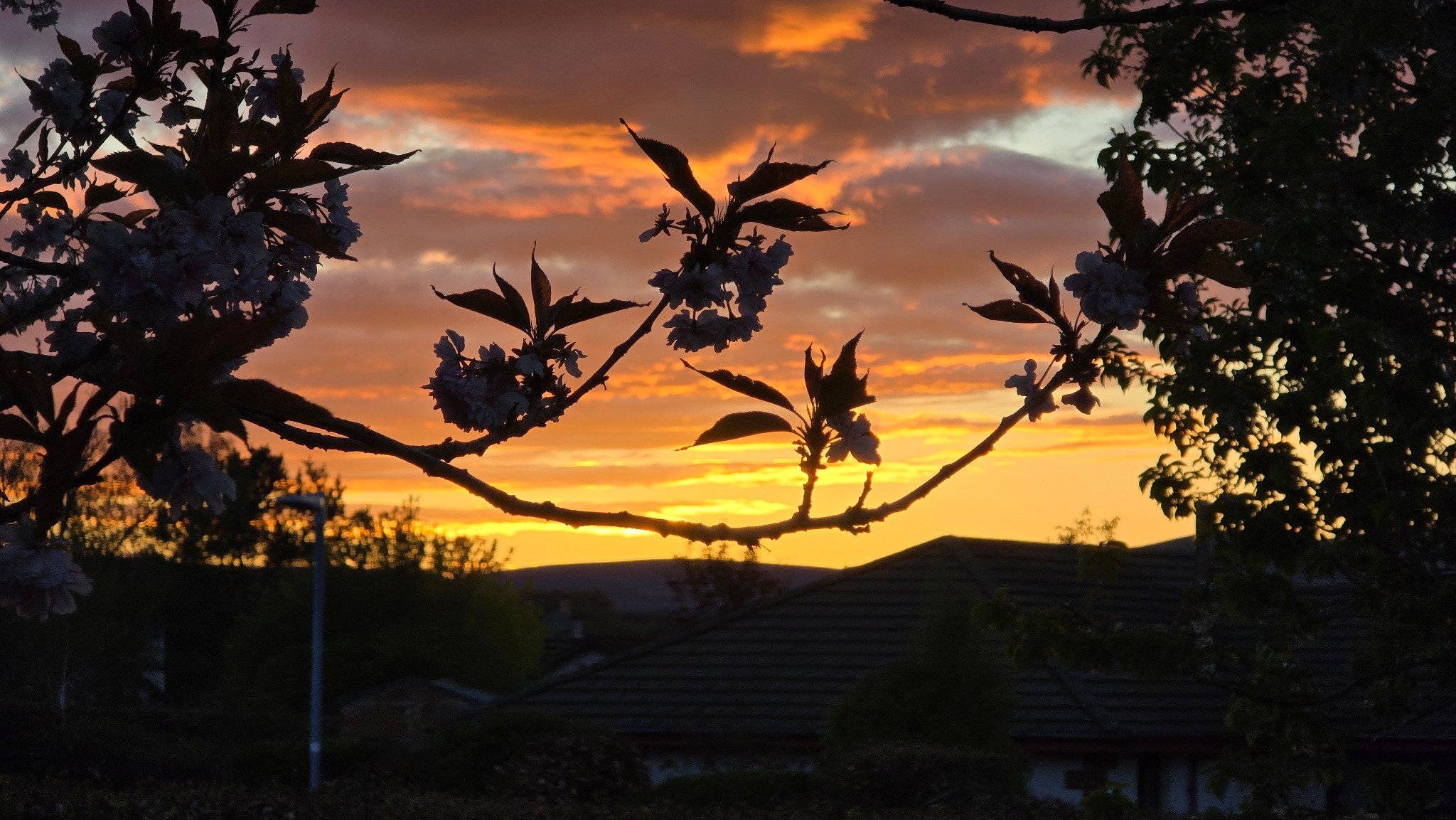
Symbolises sensory intensity, emotional depth, or autism acceptance.
Understanding autism through lived experience, research and a different perspective
Welcome to Autism Through the Lens, a website exploring the experiences, challenges and differences associated with autism.
Autism is often described through clinical definitions and diagnostic characteristics. However, these descriptions do not always explain what it means to experience the world as an autistic person. This website brings together lived experience, academic understanding and scientific research to explore autism beyond its diagnostic definition.
Through articles on autistic experiences, sensory differences, historical research and photography, the website aims to encourage greater understanding, acceptance and appreciation of different ways of thinking and experiencing the world.
Symbolises sensory intensity, emotional depth, or autism acceptance.
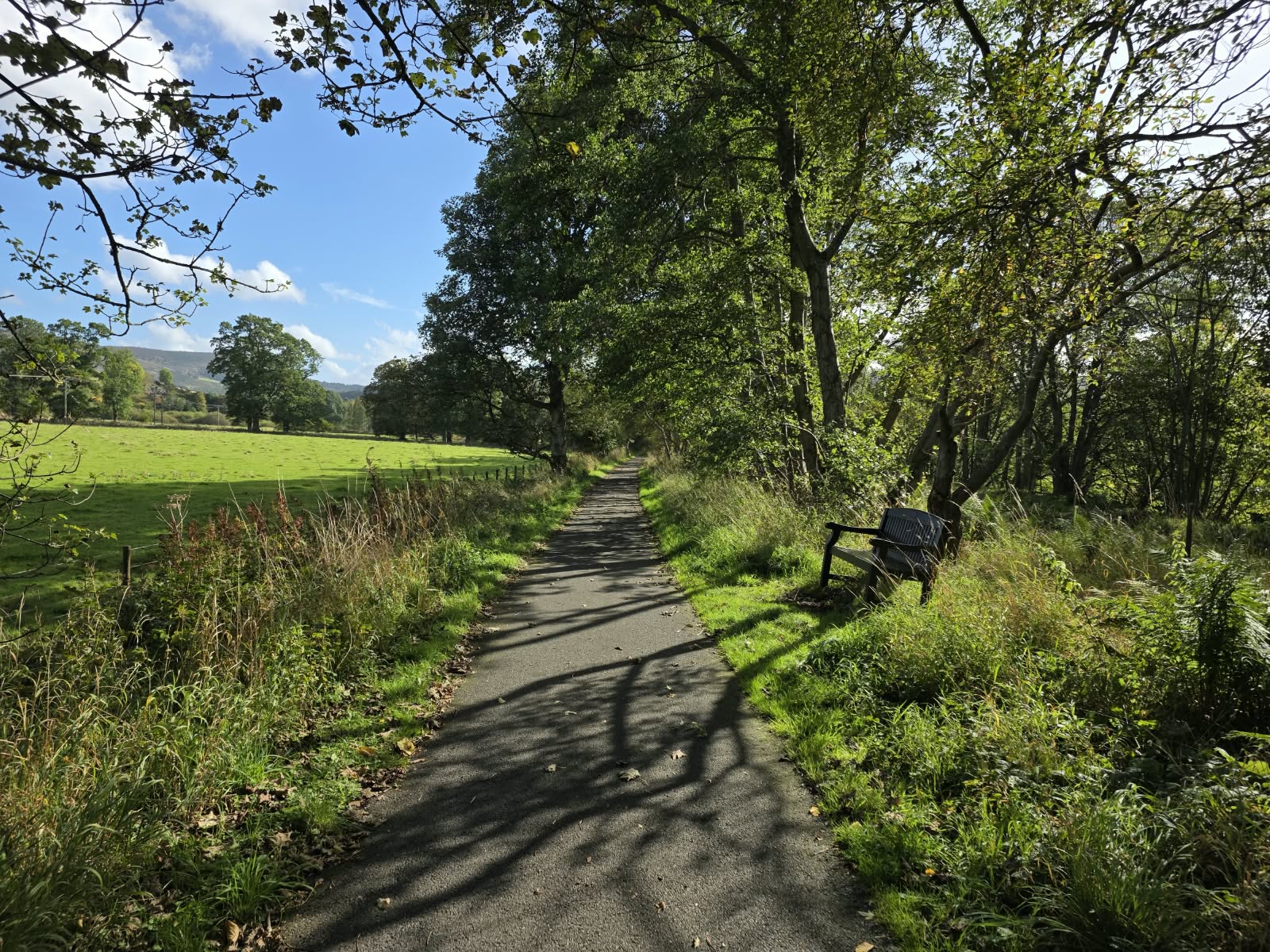
A peaceful Woodland walk.
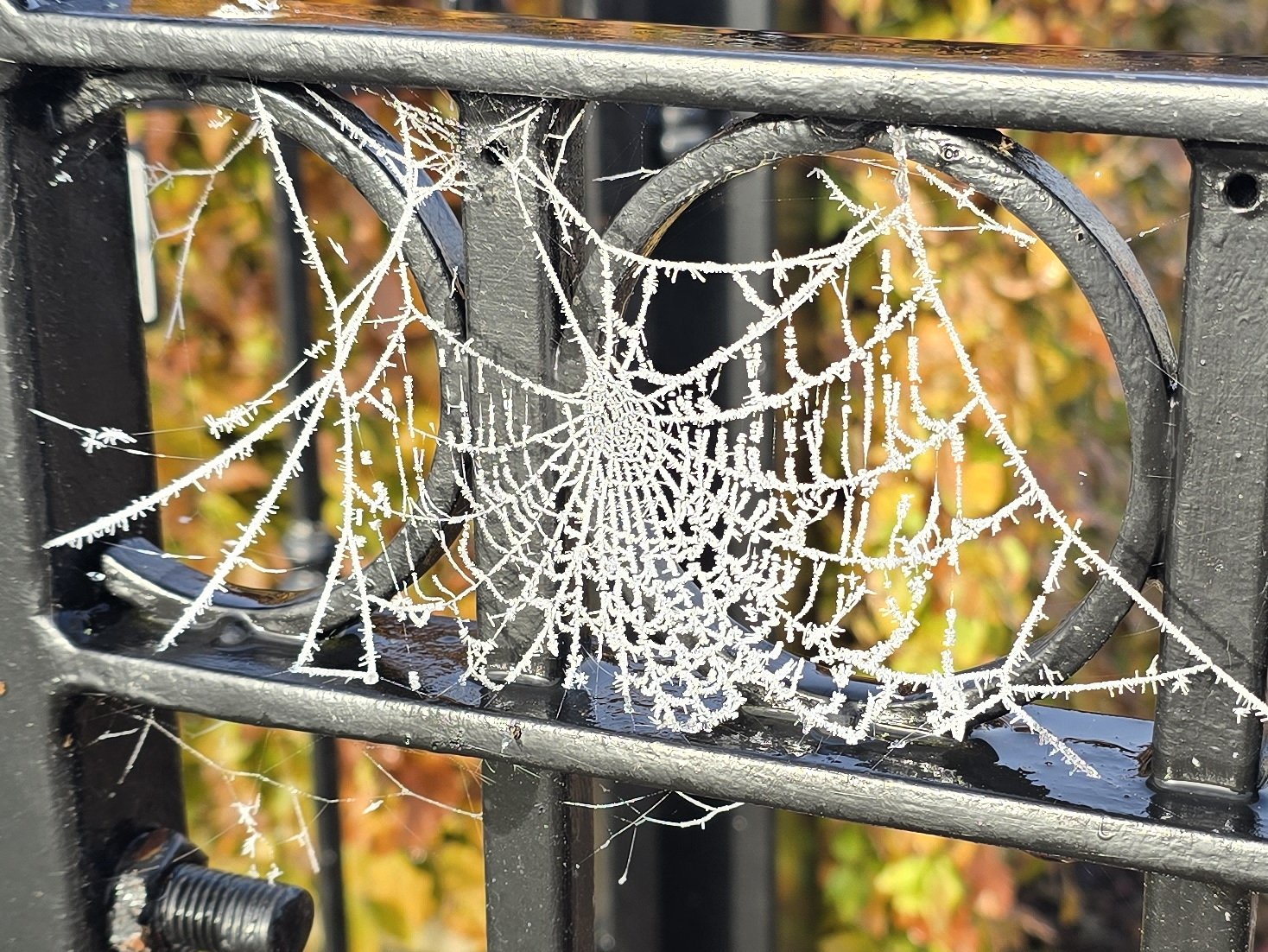
A cold and frosty cobweb.
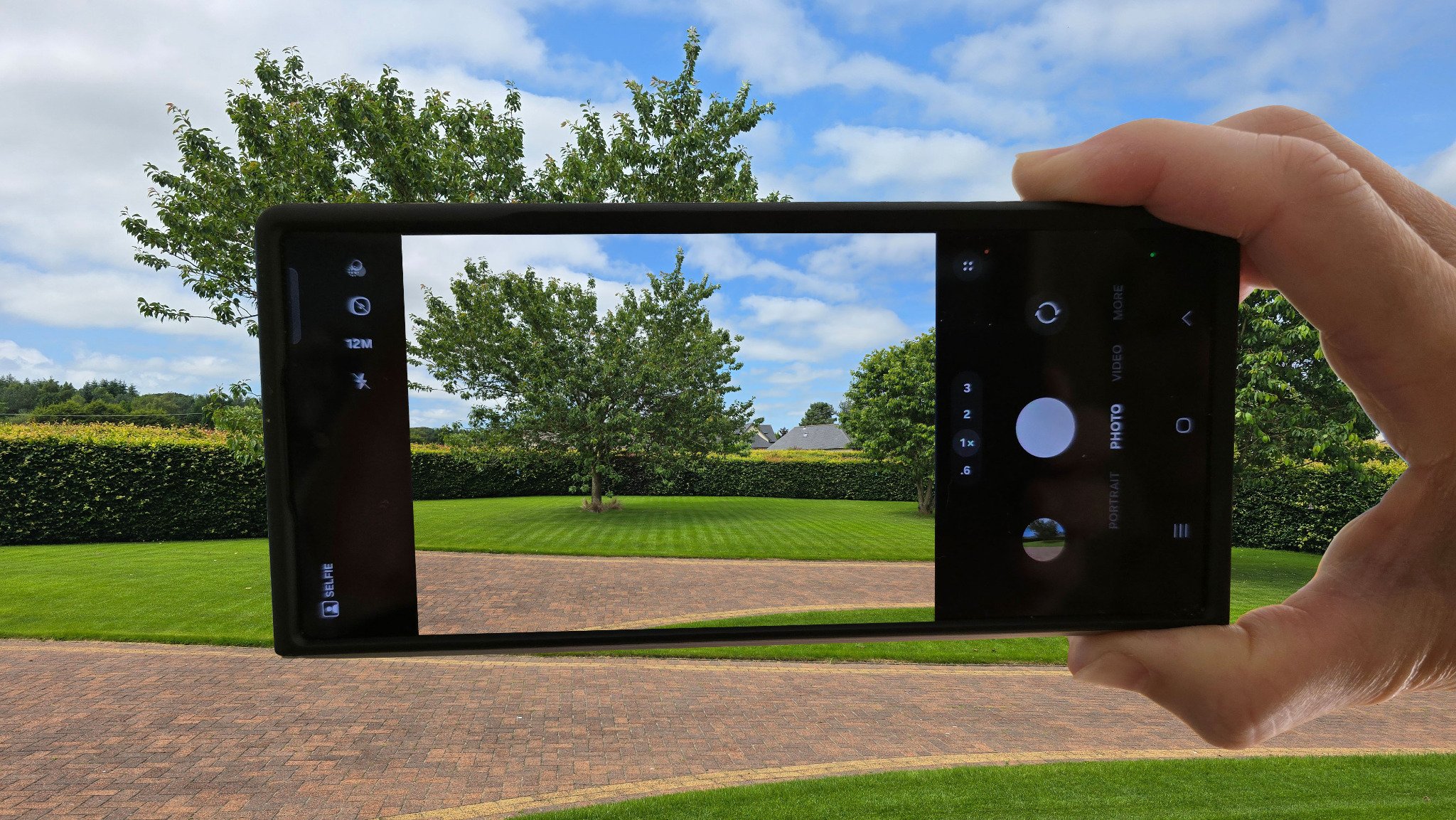
Smartphone photography image.
Autism Through the Lens was created to bring together personal experiences, qualifications in autism and published research. It explores less visible challenges such as sensory differences, masking, emotional overload, anxiety and fatigue, while recognising that autistic experiences vary considerably.
Its central message is that autistic people should not always be expected to adapt to environments designed around neurotypical expectations without consideration of their individual needs. Understanding, acceptance and reasonable adjustments matter.
A camera can reveal details, patterns and perspectives that might otherwise be overlooked. Similarly, listening to autistic people can reveal aspects of everyday life that are not always recognised. This website encourages visitors to look beyond stereotypes and consider the world from different perspectives.
Looking for information about autism, family life, education, employment or photography? Enter a word or phrase to find relevant pages.
Living with autism can bring distinctive interests, perspectives and abilities, alongside difficulties that are not always recognised or understood. Sensory differences, communication, social expectations, changes in routine, anxiety, masking, meltdowns, shutdowns and exhaustion may affect everyday life. These experiences vary greatly between individuals and can change over time.
The author writes from the perspective of someone diagnosed with Asperger Syndrome, now included within autism spectrum disorder. The aim is to encourage understanding, not to suggest that one person's experience speaks for every autistic person.
Explore sensory differences, emotional overload, masking, fatigue and the importance of being understood and supported.
Read about autismFamily members, partners and unpaid carers may balance practical support, emotional demands, advocacy and their own wellbeing. Listening, shared decisions and suitable respite can matter to everyone involved.
Explore related experiencesNoise, crowded corridors, unpredictable changes, bullying and pressure to fit in can make learning environments difficult. Clear communication, reasonable adjustments and recognition of individual strengths can help.
Explore autism and everyday lifeRecruitment processes, open-plan offices, social expectations and unclear instructions may create barriers. Accessible recruitment, predictable communication and reasonable adjustments can enable autistic people to contribute and thrive.
Learn about maskingOlder autistic adults may face changing health, fatigue, isolation, bereavement or support needs. Some receive a diagnosis only in adulthood or old age. Respectful, person-centred care remains important at every stage of life.
Read about fatigue and wellbeingAutistic people should be listened to as individuals. Understanding sensory needs, communication preferences, independence and choice can make homes, services and communities more inclusive.
Explore sensory issuesSeeing the world differently
Photography can provide an enjoyable way to notice detail, colour, pattern, texture, light and the natural world. For some autistic people, taking photographs offers a form of self-expression that does not depend on spoken words. It can also provide a reason to spend time outdoors, develop a skill or connect with others through a shared interest.
Photography is not a treatment for autism, and it will not suit everybody. The emphasis here is on choice, enjoyment, accessibility and taking photographs at a comfortable pace. A smartphone is enough to begin.

Follow the development of photography from early processes to modern smartphones.
Explore photographic historyPhotographs of wildlife, landscapes, patterns and details, seen through the author's lens.
Visit the galleryThis is a personal, non-commercial website. Its discussions of autism are based on the author's experiences and research and are not professional medical or diagnostic advice. Original photographs remain the author's copyright unless otherwise stated.